Long-term blood pressure monitoring – what you need to know

The long-term blood pressure measurement is a non-invasive and painless procedure in which blood pressure is continuously measured over a period of 24 hours. As an integral part for Cardiological diagnostics A portable blood pressure monitor records blood pressure readings at regular intervals. This method enables a reliable diagnosis of high blood pressure, as well as a precise assessment of the effectiveness of drug treatment.

24-hour ambulatory blood pressure monitoring: meaningful diagnostics over 24 hours

24-hour blood pressure monitoring (also known as ambulatory blood pressure monitoring) enables reliable measurement of blood pressure over a 24-hour period. This can be done using a portable upper arm measurement device or through cuffless 24-hour blood pressure monitoring directly in the practice. The continuous recording provides a realistic picture of blood pressure trends throughout the day and night and allows for diagnostic clarification, as well as the assessment of the effectiveness of blood pressure-lowering medications.

Night-time values in particular are clinically relevant: in patients with diabetes mellitus, sleep apnoea or increased cardiovascular risk, night-time blood pressure fluctuations can occur, which increase the risk of cardiovascular diseases. Without long-term blood pressure monitoring, such patterns often remain undetected.

Indications for Long-Term Blood Pressure Monitoring

The most common reason for long-term blood pressure monitoring is suspected arterial hypertension (high blood pressure), which cannot be clearly confirmed or ruled out by individual readings in practice.

Further indications for long-term blood pressure monitoring are:

  • Monitoring the effectiveness of antihypertensive (blood pressure-lowering) therapy
  • Accompanying diagnostics for pre-existing conditions such as diabetes mellitus, sleep apnoea or chronic kidney diseases
  • Investigation of recurrent dizziness, headaches or visual disturbances
  • Monitoring of elevated blood pressure values during pregnancy
  • Assessment of abnormal nocturnal blood pressure patterns
  • Evaluation of highly fluctuating home blood pressure readings

Long-term blood pressure monitoring provides a reliable picture of an individual's blood pressure situation and supports targeted therapeutic decisions.

Arterial Hypertension & Normal Blood Pressure Values

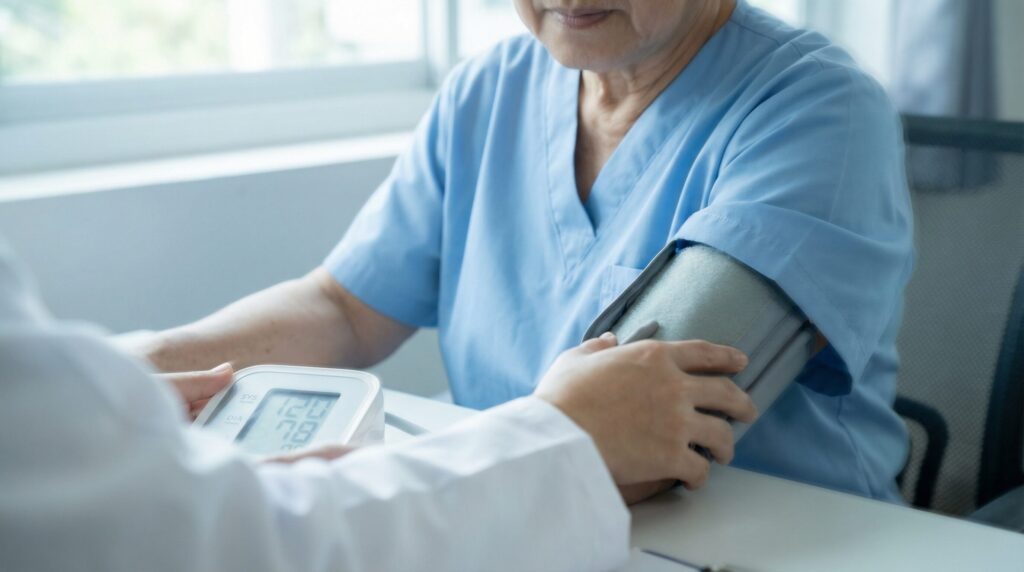
Long-term blood pressure measurement by a doctor on a female patient

In arterial hypertension, blood pressure is permanently above age- and activity-dependent normal values. For physically healthy adults, certain reference values apply, which serve as guidance for diagnosis and therapy.

The normal resting blood pressure values differ little between adult men and women.

The following blood pressure normal values are considered a guideline for healthy adults:

  • Systolic: 110 to 130 mmHg
  • Diastolic: 70 to 85 mmHg

In younger adults (approx. 18 to 40 years old), systolic and diastolic blood pressure tends to be slightly lower in women than in men (systolic approx. 2 to 5 mmHg lower, diastolic similar).

As people get older, their values become more similar. From around the age of 60, men and women have, on average, similar blood pressure readings.

Under physical exertion, stress, or excitement, temporarily elevated blood pressure readings are physiological. During deep relaxation, blood pressure can be correspondingly lower. A systolic reading above 200 mmHg generally represents an acute health risk and requires immediate medical attention.

Procedure for 24-hour ambulatory blood pressure monitoring

Patient preparation on the day of the scan

No special preparations are required for long-term RR measurement. It is only recommended to wear comfortable, loose-fitting clothing on the day of the measurement and to maintain your usual daily routine. Conscious rest or targeted relaxation to achieve lower blood pressure readings is expressly not recommended. However, significant physical exertion should be avoided.

During a brief pre-consultation in the practice, all details regarding the handling of the 24-hour blood pressure monitor and the procedure for the 24-hour measurement will be explained.

Device setup and performing long-term blood pressure monitoring

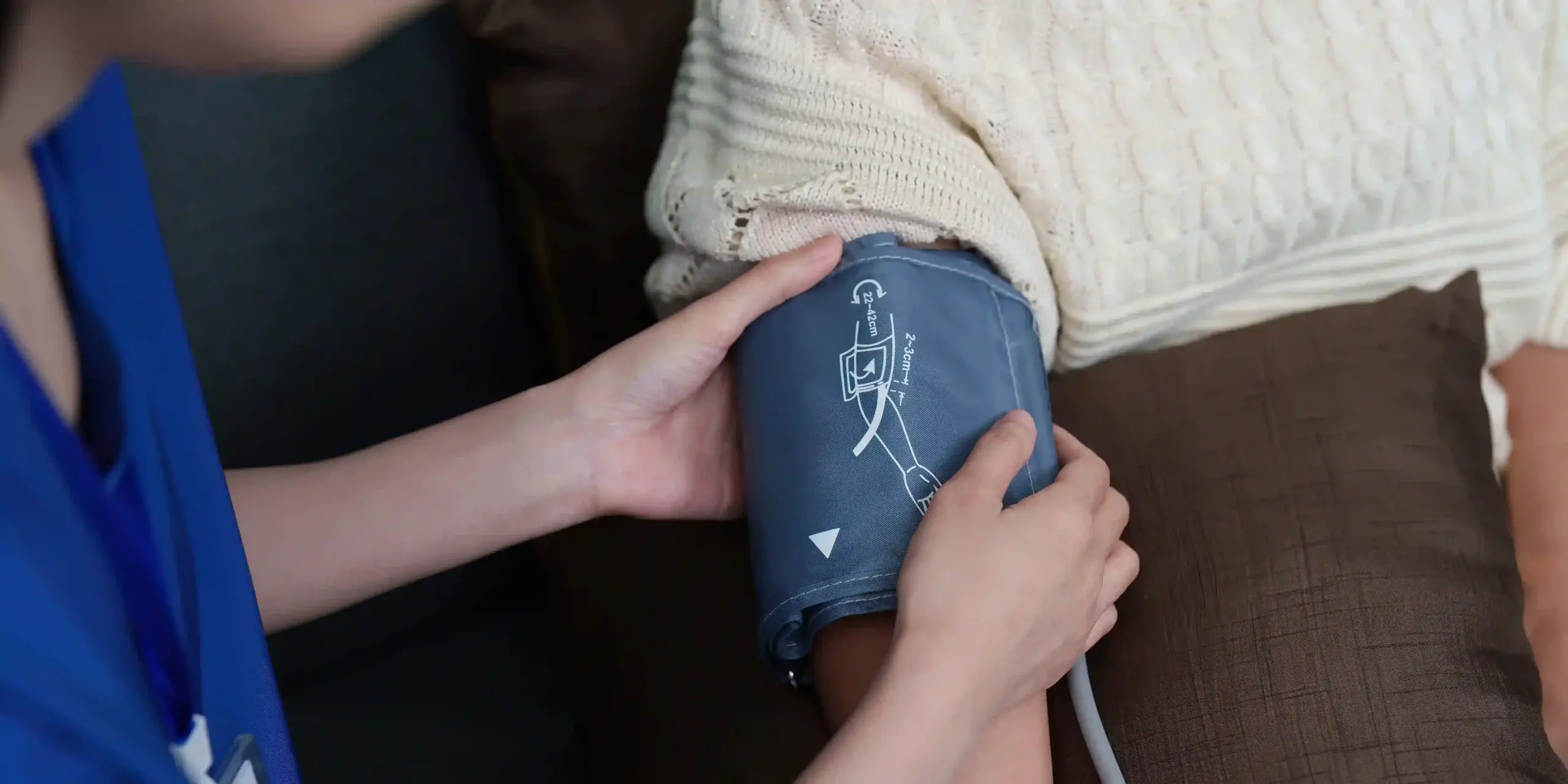
On the day of the measurement, a cuff of the appropriate size will be placed on the upper arm in our practice, usually on the non-dominant arm (left for right-handed people, right for left-handed people). The patient can then continue with their usual daily routine, while the device continuously records their blood pressure. The cuff remains on the arm for the entire measurement period, and the 24-hour blood pressure monitor is worn on a belt or with a shoulder strap.

During the day, 24-hour blood pressure monitoring is carried out at 15-minute intervals, and at night every 30 minutes. During cuff inflation, the arm should be held still briefly and speaking avoided. Furthermore, special events (including their time) are recorded by the patient, e.g. taking medication or physically/mentally stressful situations. Detailed instructions on this matter will be explained during the initial consultation.

After approximately 24 hours, the 24-hour blood pressure monitoring device is returned to the practice and the measurement data is analysed.

Possible restrictions during measurement

Ambulatory blood pressure monitoring is a safe procedure with no serious risks or side effects. Occasionally, patients report slightly disturbed sleep due to the cuff inflating at night.

A brief feeling of tightness may occur on the upper arm during blood pressure measurement, which disappears again when the air is automatically released. Slight skin redness or pressure marks in the area of the cuff are possible but usually subside within one to two days. A sick note is not required for long-term blood pressure monitoring.

If severe pain, numbness, or other unusual discomfort occurs during the measurement, please contact the practice immediately.

Analysis of long-term RR measurement

When evaluating 24-hour ambulatory blood pressure monitoring, not only are the 24-hour averages taken into consideration, but also daytime and nighttime averages, as well as the profile during different activity phases. The nocturnal blood pressure drop („dipping“) is a particularly important parameter for assessing cardiovascular risk.
The long-term ECG results are usually available on the day the device is returned, or by the following day at the latest. The findings will be explained in a personal consultation.

If the readings indicate an increased cardiovascular risk, treatment follows. This can include the initiation or adjustment of antihypertensive therapy, recommendations for lifestyle modification, or a combination of both. In certain cases, repeat long-term blood pressure monitoring after a defined period may be useful.

Costs and cost coverage of long-term blood pressure monitoring

Provided there is a medical necessity, for example, in cases of suspected high blood pressure or for monitoring drug therapy, statutory health insurance providers (GKV) will cover the costs of 24-hour blood pressure monitoring. The same generally applies to private health insurance (PKV).

24-hour blood pressure monitoring at our practice in Munich

Long-term blood pressure monitoring can be carried out both following a referral from your GP and as part of a private medical risk assessment. Appointments can be made via email or telephone. Our experienced medical professionals comprehensively analyse the long-term blood pressure results and discuss them in a personal and calm atmosphere.

Frequently asked questions about long-term blood pressure monitoring

For those with statutory health insurance, a referral from a GP is usual, though direct appointments for urgent cases are possible. Those with private health insurance do not require a referral.

Acute arm injuries, impaired lymphatic drainage, severe cardiac arrhythmias, or activities that make wearing the device difficult can limit the measurement. Pre-existing medical conditions and medications should be stated in advance to ensure appropriate implementation.

The long-term blood pressure measurement is ideally carried out during normal everyday activities. Working with heavily vibrating machinery, water, or strenuous physical exertion can falsify the measurement results or affect the long-term blood pressure measurement. Daily activities should be briefly discussed with the medical team if necessary. A sick note is not required for a long-term blood pressure measurement.

During cuffless long-term blood pressure monitoring, blood pressure values are recorded via a skin patch that continuously measures the pulse wave. The patch is applied by our medical staff. Recording and long-term BP measurement are carried out via an accompanying app.

Caffeine and alcohol can temporarily affect blood pressure. It is recommended to maintain your usual consumption to obtain realistic values. Exceptional consumption should be noted with the time so that it can be taken into account when evaluating the long-term blood pressure measurement.